
Exploring the social dynamics of gambling among friends
The Bonding Experience of Gambling
Gambling among friends often serves as a unique bonding experience, creating an atmosphere of excitement and camaraderie. When friends gather to play games, whether in a casino or a casual home setting, the shared thrill of risk can strengthen their relationships. One great option to consider is https://gramsbetcasino.com/, where the adrenaline rush often leads to moments of laughter and joy, as they cheer each other on or playfully tease one another after a win or loss. These interactions can enhance their emotional connections, creating lasting memories that deepen their friendships.
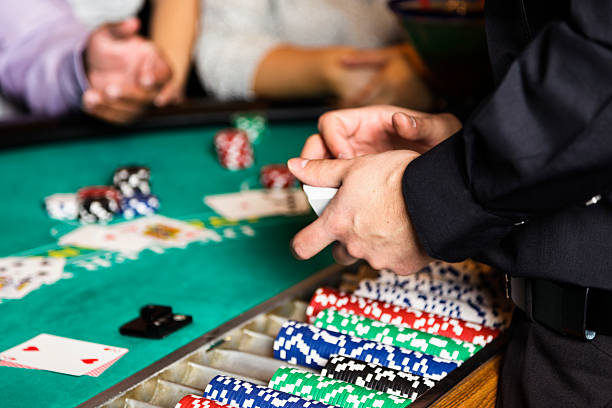
Moreover, the social aspect of gambling can help break down barriers, allowing individuals to feel more comfortable sharing personal stories and experiences. This environment can lead to discussions that may not occur in other contexts, fostering intimacy and trust. For many, the stakes of gambling—both financial and social—encourage openness, as friends reveal their hopes, fears, and dreams while engaged in playful competition. This openness can enrich the friendship, making it more robust and resilient.
Additionally, the act of gambling together can facilitate teamwork and collaboration. Many gambling games require players to strategize collectively, whether they are pooling resources for a larger bet or discussing the best approach to a particular game. This collaboration not only enhances the fun but also instills a sense of shared purpose. When friends work together to achieve a common goal, the experience can elevate their connection and provide a sense of belonging that is often sought after in adult friendships.
The Psychological Tricks at Play
Gambling is not merely a game of chance; it involves psychological tricks that can influence how friends interact with each other. Social dynamics come into play as friends may unconsciously use tactics to sway their companions toward certain decisions or bets. For instance, a friend may express confidence in a betting strategy, subtly persuading others to follow suit. This sense of validation and groupthink can lead to a thrilling yet risky communal experience that shapes how decisions are made.
Moreover, the concept of social proof can be significant in gambling settings. When one person in the group experiences success, it creates a ripple effect where others are encouraged to join in. The tendency to mimic the behaviors of peers can lead to collective gambling patterns, where friends feel more emboldened to take risks they might not consider when alone. This phenomenon can amplify both the excitement and the potential consequences of gambling, making it a fascinating area of study in social psychology.
Furthermore, competition among friends can evoke a complex array of emotions, from joy to disappointment. The desire to impress peers can lead individuals to gamble more than they typically would, sometimes resulting in excessive risk-taking. Understanding these psychological nuances is crucial for fostering responsible gambling behaviors. While the thrill of competition can enhance enjoyment, awareness of its psychological impact ensures that friendships remain intact and healthy, rather than strained by financial losses or emotional distress.
The Role of Communication in Gambling Dynamics
Effective communication plays a pivotal role in shaping the gambling experience among friends. Clear, open discussions can help set boundaries and establish expectations before engaging in any gambling activity. By expressing their comfort levels, friends can foster an environment where everyone feels safe and valued. This kind of dialogue not only enhances enjoyment but also mitigates potential conflicts that may arise during the gambling experience.
Additionally, communication can be instrumental in navigating the highs and lows of gambling. Celebrating wins together can heighten the sense of collective joy, while discussing losses can foster empathy and support. Friends may share their strategies or feelings about particular bets, leading to valuable insights and camaraderie. Such exchanges help friends process their experiences, allowing them to learn and adapt for future gambling endeavors.
Moreover, the importance of non-verbal communication should not be underestimated in the gambling context. Body language, facial expressions, and even the tone of voice can convey much more than words. For instance, a friend’s enthusiastic reaction to a win may uplift the entire group, while a lackluster response to a loss could dampen the mood. Being attuned to these cues allows friends to navigate their gambling sessions more effectively, ensuring that the social dynamics remain positive and enriching.
The Influence of Risk on Friendships
The concept of risk is inherent in gambling, and its influence on friendships can be profound. The thrill associated with high-stakes games can amplify feelings of excitement and solidarity among friends. However, the financial and emotional risks involved can also lead to tension and conflict. It’s essential for friends to recognize the potential impact of their gambling behaviors on their relationships, as the stakes can affect not only their wallets but also their interpersonal dynamics.
When one friend faces significant losses, it can create discomfort within the group. Others may feel a sense of obligation to help or console, leading to different coping strategies that could either strengthen or strain friendships. Open conversations about individual experiences with risk can be pivotal in ensuring that friends feel supported and understood. By addressing these issues candidly, groups can navigate the complexities of gambling without damaging their bond.
Moreover, the psychological implications of risk can lead to behavioral changes in friends. Some individuals may become more cautious after a negative experience, while others may seek out higher risks as a way to reclaim a sense of control. These contrasting reactions can shape the group dynamic, influencing how friends approach future gambling sessions. Understanding these psychological nuances allows friends to engage in healthier, more supportive gambling practices that prioritize their relationships.

Responsible Gambling and Group Dynamics
Responsible gambling is crucial, particularly when it involves groups of friends. Setting limits and encouraging accountability among peers can help create a safer gambling environment. By collectively agreeing on boundaries, friends can ensure that the social dynamics remain positive and enjoyable, rather than leading to destructive behaviors. Establishing these norms fosters a culture of responsibility that can protect both individual players and the group as a whole.
Additionally, friends should be aware of the importance of recognizing when someone may need help. Peer support can play a vital role in identifying problematic behaviors before they escalate. Open discussions about responsible gambling practices allow friends to share concerns in a non-judgmental way, fostering a sense of community and accountability. When friends watch out for each other, the overall experience can become more enriching and less fraught with the dangers of excessive risk-taking.
Ultimately, understanding the complexities of social dynamics in gambling among friends encourages a healthy approach to gaming. Awareness of the psychological aspects of gambling can lead to more meaningful interactions, helping friends navigate the delicate balance between fun and responsibility. By prioritizing these values, friends can enjoy their time together while minimizing risks and reinforcing their bonds.
Recent Comments