
The mind games of gambling exploring psychological traps and triumphs
The Psychology Behind Gambling
Understanding the psychology of gambling is critical to grasping why so many individuals find themselves drawn into its allure. The thrill of risk-taking often triggers the brain’s reward system, releasing dopamine, a neurotransmitter associated with pleasure. This reaction can create a powerful craving for more, leading players to chase losses or seek out the next big win. Such psychological phenomena are deeply rooted in human behavior, making it essential for gamblers to recognize these impulses before they spiral into addiction. In this context, visiting a site like Chicken Train can provide an exhilarating experience that enhances understanding of these dynamics.

Moreover, cognitive biases play a significant role in the gambling experience. Many players fall victim to the illusion of control, where they mistakenly believe they can influence the outcome of a game based on their strategies or decisions. This misconception can lead to increased gambling frequency, as players feel empowered by their supposed skills rather than understanding the inherent randomness of most games. The result is a cycle of hope and disappointment that many struggle to break free from.
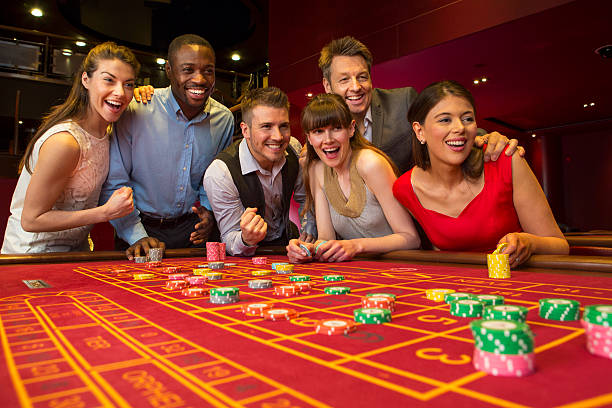
Another psychological aspect to consider is the effect of social interactions in gambling environments, such as casinos. The excitement and atmosphere can elevate one’s emotions, leading to impulsive decisions. Gamblers often engage in communal behaviors, sharing stories of wins and losses, which can amplify their own experiences. This social reinforcement can create a false sense of community that fosters further gambling, obscuring the inherent risks involved.
Common Psychological Traps in Gambling
Many gamblers encounter psychological traps that make it challenging to maintain a healthy relationship with gaming. One prevalent trap is the gambler’s fallacy, the belief that past outcomes affect future events in games of chance. For instance, if a player observes a slot machine that hasn’t paid out recently, they might feel it is ‘due’ for a win. This misconception can lead to increased betting and greater losses, as the player overlooks that each spin is independent and random.
Another common trap is the sunk cost fallacy, where individuals continue to gamble because of the time or money they have already invested. The thought process often goes: “I can’t stop now; I’ve already lost so much.” This trap can lead to reckless behavior, as players double down in an attempt to recover their losses, often resulting in even greater financial harm. Recognizing this trap can empower gamblers to make more rational decisions and detach from emotional investments.
Lastly, the concept of near misses can also play a role in entrapment. When players come close to winning, such as hitting multiple symbols on a slot machine that only needs one more for a jackpot, they can feel a rush of excitement. This sensation can lead to increased play as players become convinced that a win is imminent. Understanding that these near misses are designed to keep players engaged is crucial for self-awareness and responsible gambling practices.
The Triumphs of Gambling: When Luck Smiles
Despite the psychological traps associated with gambling, there are also triumphs that can lead to exhilarating experiences. Winning can evoke feelings of joy and accomplishment, often enhancing a player’s confidence. This rush can encourage players to engage in the gaming experience more frequently, as they chase the high of victory. Stories of individuals who hit the jackpot or win significant sums can create a mystique around gambling, reinforcing the idea that big wins are possible.
Furthermore, there are instances where gambling can lead to social benefits. For example, participating in games with friends or family can strengthen bonds and create memorable shared experiences. The joy of winning together can foster a sense of community and support, transforming the gambling experience into a social event rather than a solitary endeavor. This camaraderie can serve as a positive reinforcement, helping players navigate the complexities of gambling with a support system.
Lastly, some individuals find a sense of triumph in mastering specific games. By developing strategies and honing their skills, players can feel a sense of control amidst the randomness of chance. Games like poker, where skill plays a more substantial role, offer a platform for players to showcase their talents. This mastery can lead to a rewarding experience, encouraging responsible gambling as players engage in a game they enjoy rather than simply chasing monetary gains.
Responsible Gambling Practices
To avoid falling victim to the psychological traps of gambling, it’s essential to adopt responsible gambling practices. Setting limits on time and money can significantly mitigate the risks associated with excessive gambling. By establishing a budget before starting, players can enjoy the thrill without letting it escalate into a financial burden. This preemptive measure creates a safety net that can preserve a healthy relationship with gambling.
Another crucial practice is self-awareness. Gamblers should regularly assess their motivations for playing and monitor their emotional state during gaming sessions. Recognizing signs of addiction, such as chasing losses or feeling anxious when not gambling, can help players take a step back and reevaluate their habits. Keeping a gambling diary can be beneficial, allowing individuals to track wins, losses, and emotional states over time.
Lastly, seeking support from professionals or support groups can be invaluable. Many organizations provide resources for individuals struggling with gambling addiction, offering strategies to cope and find healthier outlets for their feelings. It’s vital to remember that gambling should be a form of entertainment, not an escape or a solution to financial problems. By prioritizing mental health and well-being, players can enjoy the fun of gambling responsibly.
Exploring Online Gaming Platforms
In the modern age of technology, online gaming platforms have revolutionized the gambling experience. They offer a convenient way for players to engage in various games from the comfort of their homes. The appeal of online casinos often lies in their accessibility and the vast range of options available. With just a few clicks, players can explore everything from slots to table games, catering to various preferences and play styles.
Online platforms also employ advanced technology to enhance user experience. Features such as live dealers and interactive gameplay can mimic the atmosphere of traditional casinos while providing the comfort of home. Additionally, many platforms offer extensive resources for responsible gaming, such as self-exclusion tools and budgeting features, promoting healthier gambling habits among users. This accessibility to information empowers players to make informed choices and recognize the importance of moderation.
Furthermore, the competitive nature of online casinos encourages them to offer appealing bonuses and promotions. These incentives can enhance the gaming experience, providing players with additional opportunities to win. However, it is vital for players to read the terms and conditions associated with these promotions. Understanding the rules around wagering requirements can prevent misunderstandings and help players make the most of their online gambling experience.
Recent Comments